

Frequently Asked Questions About Death Certificates
What is a death certificate?
A death certificate is an official record filed with the Florida State Office of Vital Statistics registering the death of an individual within the state of Florida. The death certificate serves many important purposes. It provides proof of death for life insurance claims, Social Security survivor’s benefits, veteran’s benefits and for other transactions needing proof of death. Not only does a death certificate serve to officially register the death of someone within the state, but the information is also used by state officials in statistical analysis for public health, and research.
What information is recorded on a death certificate?
A death certificate is divided into two sections:
1. The decedent’s personal information, gathered by the funeral director at the initial arrangement conference with the family.
2. The “medical portion,” completed by the certifying physician or medical examiner as listing the primary cause of death and any contributing causes.
What is the difference between the long form (with cause) and short form (without cause)?
Because of privacy laws, the state of Florida issues two types of death certificates – one includes cause of death information, the other does not. Since cause of death information is considered confidential and protected by statute, most Florida businesses are not allowed to accept a death certificate with cause of death information included. Life insurance companies do, however, require cause of death information on the certificate.
To whom may a death certificate with cause of death be issued?
1. The decedent’s spouse or parent
2. The decedent’s child, grandchild, or sibling if legal age
3. To any person who provides a will, insurance policy or other document that demonstrates an interest in the estate of the decedent.
Who needs death certificates and how many should I order?
The number of death certificates needed varies from family to family, depending on the number of business transactions needing attention that requires a death certificate.
You will need a death certificate for each of the following:
- Life insurance policies (one ‘long form’ with cause of death for each policy)
- Pension (one ‘long form’ with cause of death)
- Veterans Administration if they were receiving Veteran’s Benefits (one ‘long form’ with cause of death)
- Stocks, bonds, annuities, and trust accounts (one ‘short form’ per company)
- Real Property (one ‘short form’ without cause of death per Florida county property owned, and one for each additional state property owned). If a Florida property is deeded by more than one name, the name of the deceased will need to be removed from the deed. This can be done by recording a certified copy of the county courthouse.
- To sell or transfer title of a car, boat, or airplane (one ‘short form’ without cause of death is needed). If the automobile title is in more than one name, the name of the deceased will need to be removed from the title(s). You will need to bring each title and just one death certificate without cause to the Department of Motor Vehicles in the county you reside in.
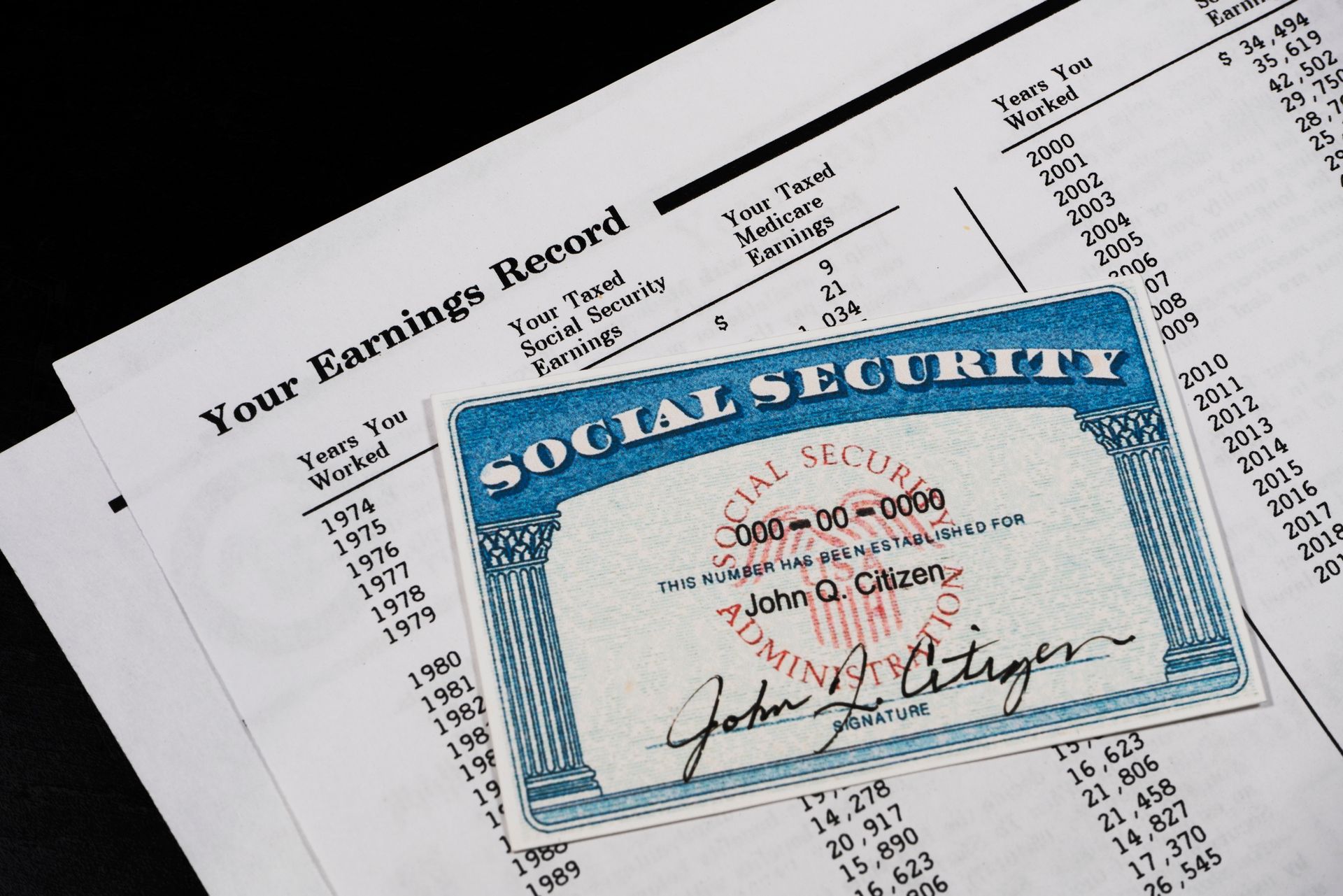
- Social Security (if there is a surviving spouse, they are entitled to the $255 death benefit (one ‘short form’ without cause of death along with a copy of the marriage license.
- Bank accounts held by the decedent, whether solely or jointly (one ‘short form’ without cause of death). It is suggested that you keep the deceased’s name on one account to enable any outstanding checks to be processed. Often, the banks will make a copy of the certified death certificate and return it to you.
- Credit Life, if carried on their credit cards, loans, or mortgages (one ‘short form’ along with proof of Credit Life for each account)
Still have a question?
Questions on what to do next? Get in touch — we’re just a call or click away.
More Articles from Gulf to Bay Cremation